
Introduction
Hidden deep within the Peruvian Andes, surrounded by snow-capped mountains and breathtaking alpine scenery, lies the spectacular Humantay Lake, one of the most remarkable natural attractions in the Cusco region.
Its brilliant turquoise waters, reflecting the towering Humantay Mountain, have made this glacial lake one of Peru’s most visited destinations for travelers seeking both the natural beauty and spiritual heritage of the Andes.
Yet Humantay Lake is much more than a scenic destination. For Andean communities, it is a sacred place where nature, mountains, and ancient Inca beliefs remain deeply interconnected.
Where Is Humantay Lake Located?
Humantay Lake is located in the Cusco Region of Peru, within the spectacular Vilcabamba Mountain Range, near the famous Salkantay Mountain.
It is situated at approximately:
- Elevation: 4,200 meters (13,780 feet) above sea level
- Region: Cusco, Peru
- Near: Soraypampa Village
The lake forms part of one of the most impressive Andean ecosystems, where glaciers feed rivers and lakes that sustain the surrounding valleys.
The Meaning of the Name “Humantay”
The exact origin of the name Humantay comes from the Quechua language, although there are several local interpretations.
According to Andean tradition, the name is closely associated with the mountain that watches over the lake: Apu Humantay.
For the Quechua people, a mountain is not merely a geological formation—it is a living spiritual being with its own energy and protective power.
For this reason, Humantay is revered as an Apu, a sacred mountain spirit and guardian of nature.
Humantay Lake and the Andean Worldview
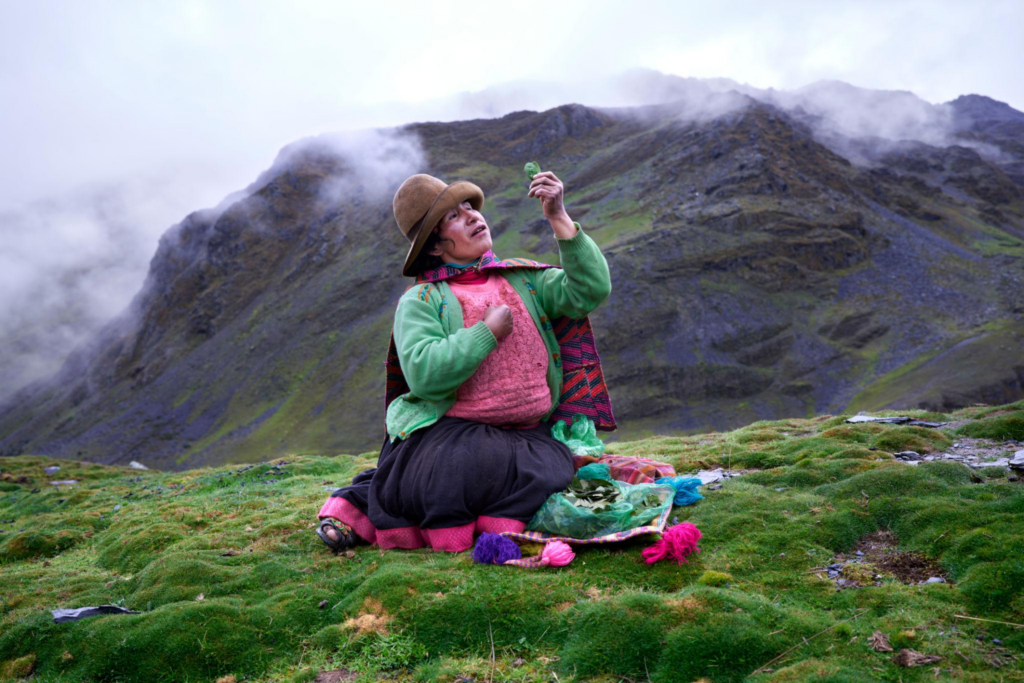
Since the time of the Inca Empire, the people of the Andes have maintained a profound spiritual connection with nature.
Their worldview was based on the harmonious relationship between:
- The Apus (Sacred Mountains)
- Pachamama (Mother Earth)
- Water as the source of life
- Human beings as part of nature’s balance
Humantay Lake was regarded as a gift from the mountains—a sacred place where glacial water symbolized purity, fertility, and renewal.
The Legend of Salkantay and Humantay
One of the best-known Andean legends tells the story of two powerful sibling mountains: Salkantay and Humantay.
According to oral tradition, both were mighty Apus who protected the people living throughout the Andes.
The legend says that during a time of great famine, the local communities suffered from severe shortages of food and water. Seeing the people’s suffering, the two sacred mountains decided to help.
Apu Salkantay traveled to distant lands in search of solutions, while Humantay remained behind to protect the valleys.
As a symbol of love and compassion for humanity, Humantay’s tears formed the beautiful crystal-clear lake that today bears its name.
Although this story belongs to Andean oral tradition rather than written history, it beautifully illustrates how ancient communities understood the intimate relationship between mountains and life itself.
Why Is Humantay Lake Turquoise?
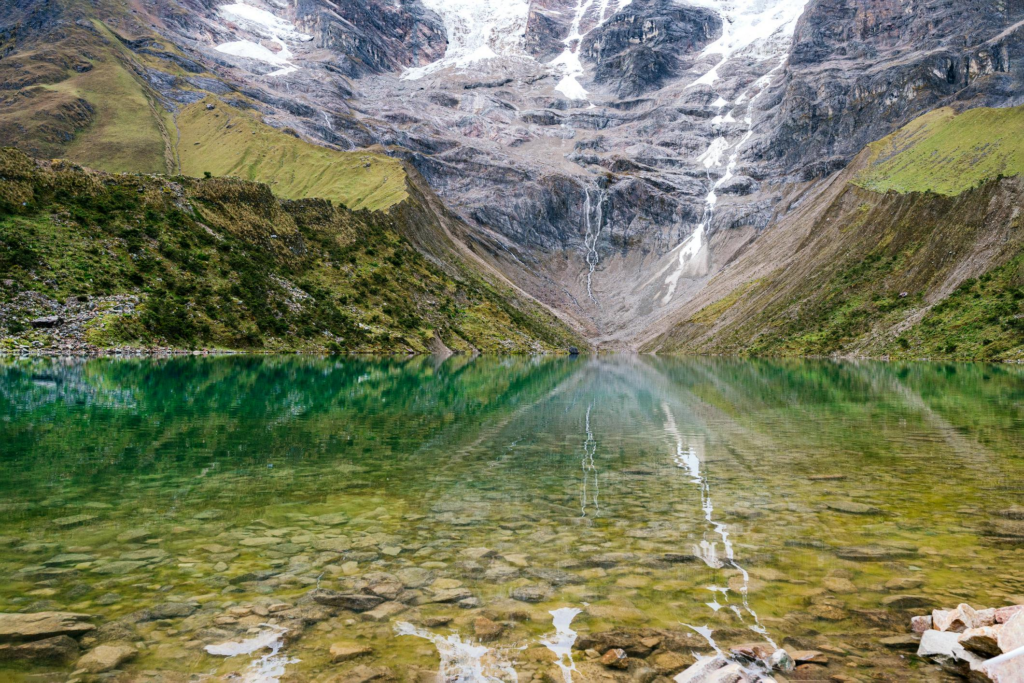
The lake’s stunning turquoise color is entirely natural.
Its waters originate from the melting glaciers of Humantay Mountain.
The brilliant color is created by a combination of:
- Minerals suspended in the water
- Fine glacial sediments carried by the meltwater
- Sunlight reflecting off the lake’s surface
On clear days, the interaction of sunlight, glacial minerals, and crystal-clear water produces the lake’s iconic blue-green color.
Humantay Mountain: The Guardian of the Lake
Towering above the lake, Humantay Mountain forms part of the majestic Vilcabamba Range.
For centuries, its glaciers have supplied fresh water to nearby ecosystems, supporting:
- Native vegetation
- Wildlife
- Local Andean communities
- Rivers throughout the region
Like neighboring Salkantay Mountain, Humantay is considered one of the most sacred Apus in Andean spirituality.
The Importance of Water in Inca Culture
To the Incas, water was one of the most sacred elements of nature.
Rivers, lakes, and natural springs were viewed as sources of life and closely associated with agricultural fertility.
Many traditional ceremonies were dedicated to expressing gratitude for water, especially in farming communities where rainfall and glacier-fed rivers were essential for survival.
Humantay Lake remains a powerful symbol of this ancient connection between the Andes and its people.
Flora and Fauna Around Humantay Lake
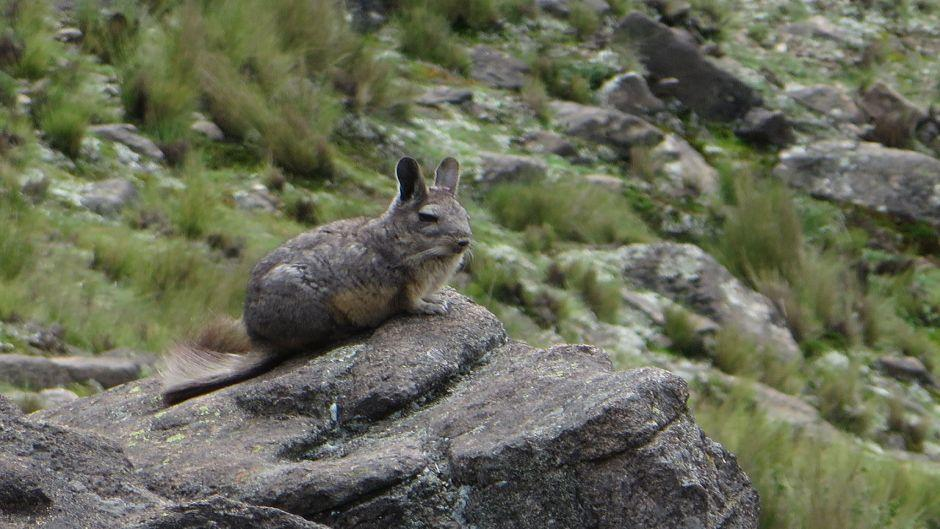
Despite its high-altitude location, the Humantay region supports a remarkable variety of plant and animal life.
Flora
- Ichu grass (Andean grasslands)
- Native high-altitude medicinal plants
- Mosses and lichens
- Cold-resistant shrubs
Fauna
- Andean Condor
- Vizcachas
- Andean Eagles
- Various native bird species
The biodiversity found around the lake demonstrates the extraordinary adaptability of life in the high Andes.
Humantay Lake and Climate Change
Like many glacier-covered mountains around the world, Humantay Mountain is increasingly affected by climate change.
The gradual retreat of its glaciers may impact:
- Natural water supplies
- High-altitude ecosystems
- Local communities that depend on these resources
Protecting these fragile landscapes is essential not only for preserving their extraordinary beauty but also for safeguarding their environmental and cultural significance.
Fascinating Facts About Humantay Lake
- The lake changes color depending on sunlight and weather conditions.
- It is fed by the glaciers of Humantay Mountain.
- It forms part of the spectacular Salkantay landscape.
- Local communities consider it a sacred spiritual site.
- It sits at more than 4,200 meters (13,780 feet) above sea level.
- It is one of the most photographed lakes in Peru.
- Its breathtaking scenery combines glaciers, mountains, and Andean culture.
- It symbolizes the spiritual connection between the Apus and Pachamama.
Frequently Asked Questions About Humantay Lake
What does “Humantay” mean?
Humantay is the name of both the mountain and the glacial lake beneath it. The name is closely associated with Andean traditions and Apu Humantay, the sacred mountain spirit.
Why is Humantay Lake turquoise?
Its unique color is produced by minerals and fine glacial sediments suspended in the water, combined with the reflection of sunlight.
What is the elevation of Humantay Lake?
Humantay Lake sits at approximately 4,200 meters (13,780 feet) above sea level.
Was Humantay Lake important to the Incas?
Yes. Although there are no specific written Inca records about the lake, mountains and bodies of water were considered sacred elements within the Andean worldview and played an important role in Inca spirituality.
When is the best time to visit Humantay Lake?
The best time to visit is generally between April and October, during the dry season, when rainfall is minimal and skies are usually clearer.
What is the relationship between Humantay Lake and Salkantay Mountain?
Both are part of the Vilcabamba Mountain Range and are revered as sacred Apus in Andean tradition. Their legends and spiritual significance remain deeply rooted in the culture of the local communities.
Conclusion
Humantay Lake is far more than a stunning turquoise glacial lake. It is a place where nature and Andean culture come together, where towering mountains tell ancient stories, and where water symbolizes life itself.
Its legends, glaciers, and spiritual importance make Humantay one of the most extraordinary destinations in the Cusco region.
Visiting Humantay Lake is more than admiring breathtaking scenery—it’s an opportunity to experience a living piece of Andean history, tradition, and the enduring spirit of the Peruvian Andes.