
Introduction
Peru is one of the world’s most fascinating travel destinations. Its extraordinary diversity of landscapes, thousands of years of history, and rich cultural heritage make every journey through the country an unforgettable experience.
From the ancient Inca cities of the Andes to the vast Amazon Rainforest, Peru offers adventures for every type of traveler—history enthusiasts, nature lovers, foodies, and those seeking authentic cultural experiences.
However, to make the most of your trip, it’s important to prepare in advance. Factors such as altitude, varying climates, long travel distances, and local customs are all things you should understand before arriving.
In this guide, you’ll discover the best travel tips for visiting Peru and learn how to enjoy a safe, comfortable, and unforgettable adventure.
1. Plan Your Itinerary Before You Arrive
Peru is a large country with several distinct geographical regions.
One of the most common mistakes travelers make is trying to visit too many destinations in a limited amount of time.
The country’s main tourist regions include:
The Andean Highlands
Home to iconic destinations such as:
- Cusco
- Machu Picchu
- Sacred Valley
- Rainbow Mountain
- Humantay Lake
Peru’s Pacific Coast
Highlights include:
- Lima
- Pacific Ocean beaches
- World-famous gastronomy
- Coastal archaeological sites
The Amazon Rainforest
Featuring:
- Tropical jungles
- Nature reserves
- Incredible wildlife watching
Planning your route carefully will help you spend more time exploring and less time traveling between destinations.
2. Prepare for the Altitude
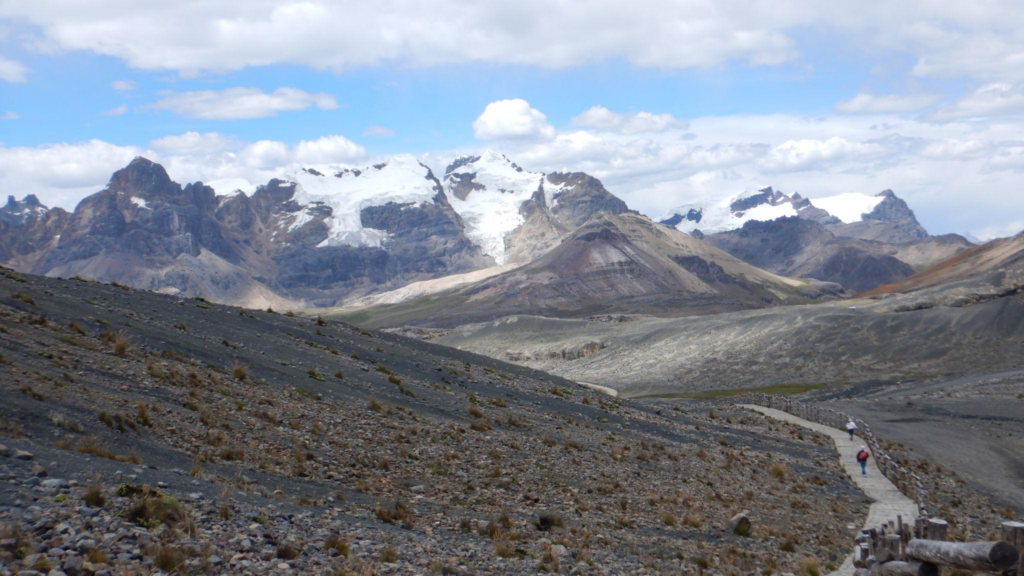
One of the most important aspects of traveling in Peru is adapting to high altitude.
Cities such as Cusco sit at approximately 3,400 meters (11,150 feet) above sea level.
Some visitors may experience symptoms of altitude sickness, including:
- Headaches
- Fatigue
- Shortness of breath
- Dizziness
- Sleepiness
These symptoms occur because your body needs time to adjust to lower oxygen levels.
Tips for Acclimatization
✔ Rest during your first day.
✔ Avoid strenuous physical activity upon arrival.
✔ Drink plenty of water.
✔ Eat light meals.
✔ Limit alcohol consumption during your first few days.
Proper acclimatization will make your hikes and excursions much more enjoyable.
3. Choose the Best Time to Visit
Peru’s climate varies greatly depending on the region.
If you’re planning to visit Cusco, Machu Picchu, or go trekking, consider the following seasons.
Dry Season
(Approximately April to October)
Advantages
- Less rainfall
- Better visibility
- Ideal trekking conditions
- Greater chance of clear skies
Rainy Season
(November to March)
Advantages
- Lush green landscapes
- Fewer tourists
- Vibrant natural scenery
Both seasons offer unique experiences, so choose the one that best matches your travel style.
4. What to Pack
Weather conditions in Peru can change quickly, especially in the Andes.
The best strategy is to pack clothing that can easily adapt to different temperatures.
For Cusco and Mountain Destinations
- Waterproof jacket
- Thermal clothing
- Warm fleece or insulated jacket
- Hat or cap
- Gloves
- Comfortable walking shoes
- Small daypack
For Hiking
- Trekking boots
- Hiking poles (optional)
- Sunscreen
- Insect repellent
- Reusable water bottle
- Energy snacks
Layering your clothing is the best way to stay comfortable throughout the day.
5. Book Your Tickets in Advance
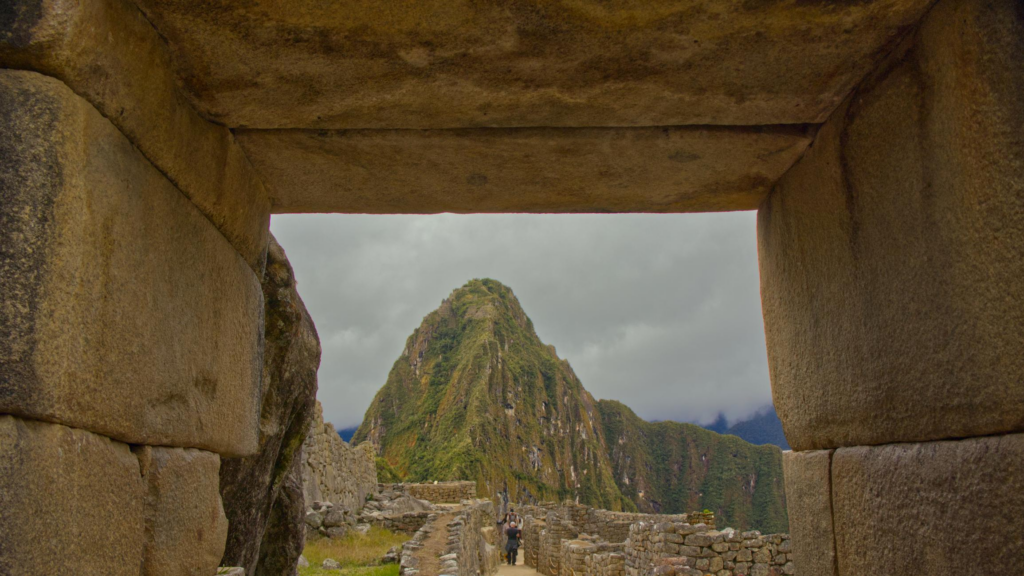
Some of Peru’s most popular attractions have limited daily availability.
This is especially true for:
- Machu Picchu
- The Classic Inca Trail
- Huayna Picchu Mountain
- Popular trekking routes
Booking early gives you more flexibility and helps secure your preferred entry times.
6. Respect Local Culture and Traditions
Peru’s culture remains deeply connected to its ancient history.
Many Andean communities continue to preserve traditions that have existed for centuries.
When visiting villages or sacred sites:
- Ask permission before photographing people.
- Respect traditional ceremonies.
- Help preserve archaeological sites.
- Avoid touching ancient structures.
Travel is also about understanding and appreciating different cultures.
7. Learn a Few Words in Quechua

Although Spanish is Peru’s official language, many Andean communities continue speaking Quechua, the language of the Incas.
Some useful phrases include:
- Hello: Rimaykullayki
- Thank you: Sulpayki
- Friend: Masiy
- Good morning: Allin p’unchay
Learning a few local expressions is a wonderful way to connect with Andean culture.
8. Experience Peruvian Cuisine
Peruvian cuisine is internationally recognized for its incredible diversity and flavor.
Some traditional dishes you shouldn’t miss include:
Ceviche
Fresh fish marinated in lime juice with chili peppers and onions.
Lomo Saltado
A delicious fusion of Peruvian and Chinese culinary traditions.
Pachamanca
Meat and vegetables slow-cooked underground using heated stones.
Cuy (Guinea Pig)
A traditional Andean delicacy.
Chiri Uchu
A classic festive dish from Cusco featuring a variety of regional ingredients.
Sampling local food is an essential part of the Peruvian travel experience.
9. Travel Responsibly
Peru’s natural and archaeological treasures are fragile and deserve protection.
Whenever you visit natural areas:
✔ Dispose of waste properly.
✔ Stay on designated trails.
✔ Reduce unnecessary plastic use.
✔ Never remove stones or archaeological artifacts.
✔ Support local businesses and communities.
Every responsible traveler helps preserve Peru for future generations.
10. Transportation and Time Management
Peru covers a vast territory, and travel distances can be significant.
Due to the country’s mountainous geography, some journeys may take longer than expected.
Recommendations
- Don’t schedule too many activities in one day.
- Include rest days in your itinerary.
- Reserve transportation in advance.
- Keep your schedule flexible.
Peru is best enjoyed at a relaxed pace.
11. Stay Safe During Your Trip
Peru welcomes millions of visitors every year.
Like traveling anywhere in the world, it’s important to take basic safety precautions.
Tips
- Keep an eye on your personal belongings.
- Use licensed transportation and tour operators.
- Avoid carrying large amounts of cash.
- Stay informed about the places you visit.
Simple precautions can help ensure a smooth and enjoyable trip.
12. Consider Travel Insurance
Travel insurance is highly recommended, particularly if you plan to participate in adventure activities.
This is especially important if you’ll be:
- Hiking
- Trekking
- Participating in adventure sports
- Visiting remote destinations
Travel insurance can provide valuable assistance in case of unexpected situations.
Frequently Asked Questions About Traveling to Peru
When is the best time to visit Peru?
It depends on your destination. For the Andes and Machu Picchu, many travelers prefer the dry season (April to October).
How many days do I need to explore Peru?
For a first visit, 10 to 15 days is recommended to comfortably experience the country’s most famous destinations.
Is it difficult to adjust to the altitude?
Some travelers experience mild symptoms during the first couple of days. Proper acclimatization greatly improves your experience.
Should I book Machu Picchu tickets in advance?
Yes. Advance reservations are strongly recommended, especially during the high season.
What kind of clothing should I bring?
Layered clothing is ideal, as temperatures in the Andes can change dramatically throughout the day.
Is Peru a good destination for adventure travel?
Absolutely. Peru is one of the world’s top destinations for trekking, nature exploration, history, archaeology, and authentic cultural experiences.
Conclusion
Traveling to Peru is much more than visiting famous landmarks—it’s about discovering a country where history, breathtaking landscapes, and ancient cultures continue to thrive.
Whether you’re hiking through sacred mountains, exploring remarkable Inca cities, or experiencing vibrant local traditions, every journey offers a deeper appreciation of this extraordinary destination.
With thoughtful planning, respect for local culture, and a spirit of adventure, Peru will reward you with unforgettable memories that will last a lifetime.